Blog note: Last updated on February 15, 2026. I may come back and update this post as I continue to read more, learn more, and try out different ways to curate content on this blog.
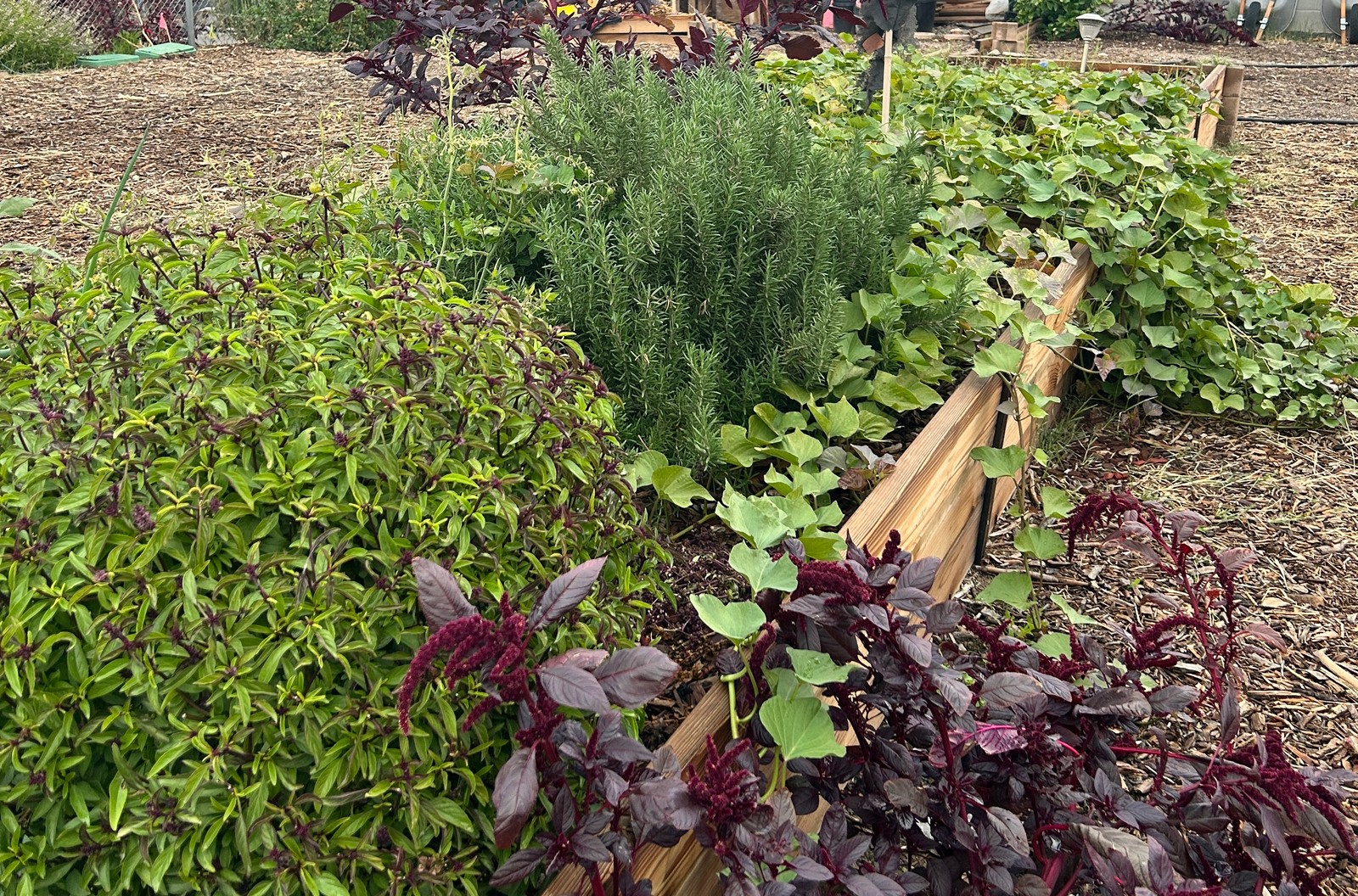
I first wrote about the idea of digital gardening when I launched my blog here on Pagecord. Recently, I took a deeper dive into what it means to build a digital garden as a recovering blogger that was primarily focused on branding vs. knowledge creation and curation. Nowadays, I'm focused on building a web presence that fits me as a human being with many interests, while also challenging myself to writing more and learn in public - which can be hard for an academic to do.
Below are some the thoughts I've gathered for this post around digital gardening, learning in public, my critiques, and a reading pathway that explains how I got to my current understanding of the concept. The reading pathway is towards the bottom (feel free to scroll all the way down) where you can see how I found my way across different sources to put this post together.
What are Digital Gardens
From my initial readings along the blogosphere, digital gardening has been around since the dawn of the internet, when the advent of creating and maintaining personal website were primarily focused on the pruning and tidying of broken links, deleting irrelevant content and keeping an organized web presence. A resurgence of digital gardening as a new way of organizing blog content from the chronological to a non-ordinal space had its moment in the mid to late 2010s. Maggie Appleton is a central figure who captured this history and its evolution and wrote some insightful blog posts on the topic. Much of what I summarized comes from this post here and I highly recommend checking it out as a good starting point.
Prior to Maggie's post, I read about digital gardening from Elizabeth Tai who shared her personal journey of balancing blog branding with digital gardening and how much of a relief it was to not be pigeonhold into always writing for the brand and the SEO stats. As someone (Elizabeth) with a long pedigree of writing online and familiar with the evolving nature of blogging, it was refreshing to read about her experience. Her 2023 post is what would eventually lead me to Joel Hook's post on digital gardening. Her 2025 post encouraged me to have a topic list on my blog. More on Elizabeth's take later in this post.
🌱 [Germinating] There are other luminaries in this space that I have yet to fully read their essays on, but I've linked to them in my reading pathway and hope to update this post, as I have an opportunity to fully read their takes on the concept.
Learning in Public
What draws me to the idea of a digital garden, are two central tenants: Swyx's Learning in Public and Joel Hook's Writing More. This can be difficult to do as an academic. We're taught that learning takes place in private. We learn quietly in libraries, archives, in the field, and behind computer screens. We keep scholarship close to the vest for fear that another scholar, a colleague, a competitor will steal our prized ideas. And this is understandable, particularly because in academia, it's publish or perish and being the "first" brings prestige, awards, and article citations. So we keep it hidden until its ready for prime time and the subsequent accolades.
Most of my learning does take place offline, but I'm also eager to share what I've learned and what I think would be exciting to share with others. I also like writing on topics that go beyond my day-to-day. What I really like about the Learning in Public movement is the transparency. As a scholar, it's great to know what resources, studies, frameworks were consulted to build a person's knowledgebase. What books did you consult? What articles and studies did you read? What challenges did you face in accessing, evaluating, and applying this information? Okay, that last part hints to my interest in better understanding information literacy, but I digress.
Joel Hook's Stop Giving af and Start Writing More helps emphasize that a digital garden is meant to center the gardener, not the reader, though they are always welcome. It makes clear that the digital garden or blog should be a space meant to help the gardener grow their tomato plants, their roses, their leafy green cabbage through their writings and then tend to this garden (curation) as a way to create a space of their own vs. what the algorithm desires:
Being useful for me is the primary use case for this space on the internet. It’s not that I don’t care about you, but this is for me. It’s here so I can record what I think and know and preserve it in time and space.
-Joel Hooks
Critiques
A critique shared by Maggie Appleton is that though digital gardening is accessible to everyone, there are limits in the platforms and tools used to build and tend a digital garden. If a huge conglomerate owns the platform (ie. Meta), you could lose your content without notice and if it's a platform with a set architecture using "cookie cutter" tools and templates, you lose the uniqueness of creating something truly your own.
Here's where I differ from the concept - I'm not interested in designing and tweaking my own information architecture (time + skill that I currently don't have), I'm more interested in the practice of knowledge creation, curation, and discovery. So it's okay for me not to have an extensive set of tools to tweak the structure itself so long as knowledge production and navigation are possible. I'm also not a purist when it comes to digital gardening, I work with what I can afford in skillset, time, and what's ideal for me out of the box.
In all, I consider myself a hybrid digital gardener. I blog chronologically, but I also like to curate content topically. Some of my posts are fully formed. Others are field notes on research and thoughts in progress. In real life, gardens come in all shapes, sizes, offerings, climates, arrangements, you name it. What makes digital gardens special is in their content, their discovery and who is tending them.
My working philosophy on digital gardens, with a little librarian spin...
A digital garden embraces, knowledge creation, curation, and discovery through open learning and living practices. For every garden, their own gardener. The writings are the plants created and tended by them. Posts can germinate and grow or be fully potted and planted. The garden adds to the digital knowledgescape and is for the benefit of the gardener and the visitor.
At this point, I feel I've met saturation at least to get a sense of contemporary sentiment around digital gardening and conclude with Elizabeth's take that a digital garden is what you make it. They're all different and I'm not one to judge how others put there's together, I just enjoy coming across them and appreciating the time and effort it took to build them and see them grow - it's a refreshing presence on a highly commercialized web 🌱.
Digital gardening is just a different way to present your thoughts on the Internet.
You can blog and digital garden at the same time and in the same space like I do.
-Elizabeth Tai
My Reading Pathway:
⤷ Where I first learned about digital gardening:
- https://elizabethtai.com/2023/07/06/being-an-imperfect-gardener-of-my-digital-garden/ - read 12/2025
- https://elizabethtai.com/2025/05/10/digital-gardens-vs-blogging-whats-the-difference/ - read 12/2025
⤷ Those posts, then led me to these:
- https://joelhooks.com/digital-garden - read 12/2025
- https://joelhooks.com/on-writing-more/ - read 12/2025
⤷ While on Ye Olde Blog, and searching for digital garden examples, there was a helpful blog post linked that better explained their origins. This link is hard to find so you have to go here and look for the digital gardening definition:
- https://maggieappleton.com/garden-history - read on 1/31/2026
⤷ Maggie's digital gardening history post, then led me to her other post:
⤷ I back tracked to Maggie's first post and decided to look at further reading recommendations which points to seminal essays and posts about the concept:
- https://hapgood.us/2015/10/17/the-garden-and-the-stream-a-technopastoral/ -TBR
- https://tomcritchlow.com/2018/10/10/of-gardens-and-wikis/ - TBR
- https://stackingthebricks.com/how-blogs-broke-the-web/ - TBR
- https://www.swyx.io/learn-in-public - read 1/31/2026
⤷ Given all that I read, I decided to go back to Elizabeth Tai's blog to see if there were any other digital gardening posts I missed and found something recent:
AW